-
Academic/Research Integrity

Does Traditional Plagiarism Still Matter?
In the age of AI, the idea of copy‑and‑paste plagiarism sounds almost quaint. So why has the number of students doing it not changed significantly?
-
AI
What Went Wrong with Blizzard’s Fan Contest
An Overwatch fan contest has descended into chaos after winning entries have been accused of AI usage, plagiarism and self‑plagiarism.
-
AI
Thélyson Orélien Admits Plagiarism, Denies Using AI
After three weeks of silence, author Thélyson Orélien has responded to the allegations against him, acknowledging past plagiarism, but denying using AI.
-
AI
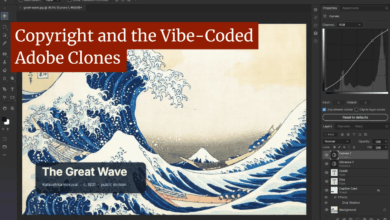
Copyright and the Vibe-Coded Adobe Clones
A software developer used AI to generate a clone for each of the major Adobe products. But what does the law say about these apps?
-
AI
Who Owns This Brainrot Character?
The Italian Brainrot Meme genre may be best known for its absurdist humor, but a lawsuit raises questions about AI, meme culture and the future of IP law.




Copyright News
-
Copyright News
3 Count: Entering the Building
Owner of Elvis Presley’s music library sues Anthropic; former Eminem employee pleads guilty to criminal copyright infringement; more authors sue Meta.

-
Copyright News
3 Count: 50 Year Anniversary
Judge orders Meta to name employees who approved book torrenting; Canadian publishers sue Anthropic, and the US Copyright Act of 1976 turns 50.
-
Copyright News
3 Count: Four Recusals
Supreme Court denies cert in case over copyright termination; Drake sued over Janice STFU, and Amazon to face trial over print‑on‑demand shirts.
-
Copyright News
3 Count: End of Journey
Study finds Midjourney is the worst at copyright protection, publishers seek $19.5 million from a pirate site, and Ye loses bid to strike comments.
-
Copyright News
3 Count: Bankrupt Characters
Character.ai files for bankruptcy, USA Today sues OpenAI, and the Motion Picture Association takes credit for shuttering the pirate site.
-
Copyright News
3 Count: Jersey Boys
9th Circuit says facts are not copyrightable, even if they are fictional; German publishers call for AI regulation, and Denuvo seeks to unmask a cracker.


